Enterprise software rarely breaks because of missing features. More often, it stalls because of requirements no one talked about early enough — audit trails, data residency rules, permission models, encryption standards, or documentation expectations. Compliance isn’t a finishing step. In serious environments, it shapes architecture from the beginning.
That reality changes how companies choose development partners. Technical skill matters, but it isn’t enough. Enterprises look for teams who understand approval cycles, risk reviews, internal security policies, and the reality that every major system will eventually be inspected by someone outside engineering.
Canada’s software sector includes many capable firms, yet only some regularly build systems designed to pass scrutiny. Below are companies and organizations frequently evaluated when compliance, governance, and long-term maintainability are part of the mandate.
Where Compliance Pressure Actually Appears
Compliance rarely shows up in the first sprint. It surfaces later, when security teams request logging evidence, or legal departments ask how user actions are tracked. Projects that didn’t account for those needs early often pause while engineers retrofit controls into systems that weren’t built for them.
Teams familiar with regulated environments behave differently from the start. They map data movement, define access boundaries, and document assumptions while the architecture is still flexible. That preparation doesn’t slow delivery. It prevents emergency redesigns once oversight begins.
1. Euristiq
When organizations need secure, enterprise-grade systems, Euristiq’s custom software development in Canada is frequently part of the conversation. The company positions itself as a long-term engineering partner focused on building reliable, compliant platforms rather than short-term solutions.

Founded in 2016, Euristiq works with enterprise and mid-market clients across North America and Europe, including Philips, Bell Canada, Ryanair, Interac, Kloudville, Octopus, and Gen Digital. Many of these organizations operate under strict governance requirements, which means development partners must understand compliance expectations from day one.
Their core capabilities include:
- AI-native product design and development
- Structured discovery phase for precise requirement definition
- PoC and MVP delivery within controlled timelines
- Legacy modernization and re-engineering
- Data management and analytics platforms
- IoT and AIoT system development
- Cloud engineering across AWS, Azure, and Google Cloud
- Dedicated certified development teams
Euristiq is ISO 27001:2022 certified and an AWS Advanced Tier Services Partner. For enterprises, those credentials signal established security practices, audit readiness, and documented workflows.
Companies typically involve them when software must pass compliance review, integrate with regulated infrastructure, or meet strict operational standards.
2. Iversoft
Ottawa-based Iversoft is often selected for projects that intersect with the public sector, healthcare, or financial environments. In those contexts, compliance isn’t occasional — it’s constant.
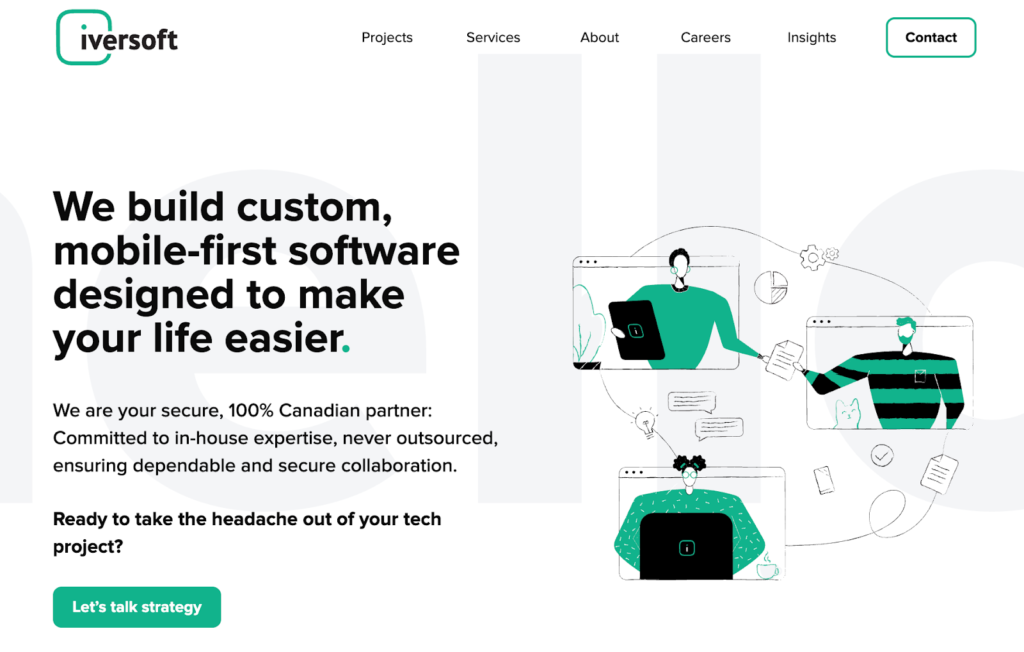
Their capabilities include:
- Secure application development
- Cloud architecture and deployment
- Mobile and web engineering
- Complex system integration
Organizations operating under formal oversight tend to prefer partners who already understand validation cycles and security assessments. Teams unfamiliar with those processes often slow down when reviews begin.
Iversoft’s experience inside regulated workflows makes collaboration smoother when external verification becomes part of delivery.
3. Architech
Toronto’s Architech is frequently brought in when compliance requirements intersect with platform architecture. Structural design decisions often determine whether a system can meet regulatory standards later.

Their services include:
- Enterprise platform development
- Cloud-native architecture
- Data platform engineering
- API ecosystem design
Systems built without traceability or access boundaries may function technically yet fail compliance evaluation. Architech’s architectural focus helps organizations avoid that scenario by aligning structure with governance expectations from the outset.
Enterprises planning long-term platforms often value this early alignment.
4. Osedea
Montreal-based Osedea is known for collaborative workflows that keep multiple stakeholders aligned throughout development. Compliance projects often involve legal, operations, and security teams alongside engineering, making coordination essential.
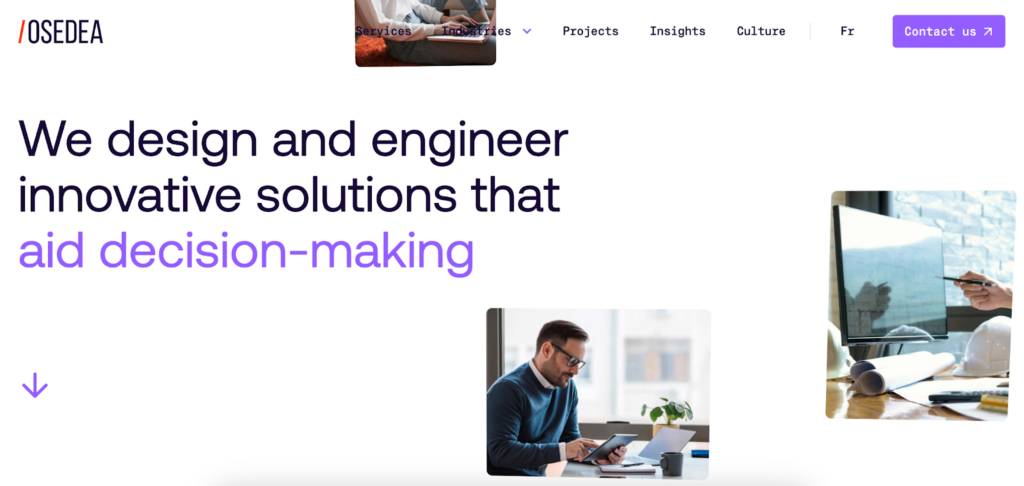
Their services include:
- Custom software development
- AI and machine learning systems
- UX-focused platform design
- Digital consulting
Transparent iteration helps ensure technical decisions remain consistent with policy requirements. When departments stay informed, approvals tend to happen faster and with fewer revisions.
Organizations balancing usability and compliance frequently choose partners who communicate clearly across teams.
5. Direct Impact Solutions
Direct Impact Solutions commonly works on internal enterprise systems — platforms that handle operational data, reporting processes, and business workflows. These systems often face compliance review because they manage sensitive information.
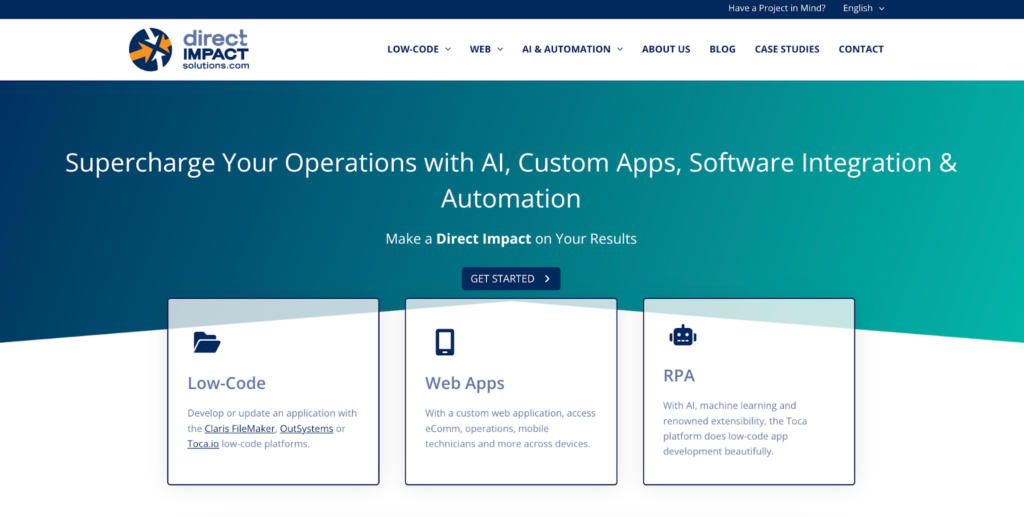
Their capabilities include:
- Custom business software
- Database-driven platforms
- Process automation systems
- Enterprise modernization projects
Internal tools rarely receive public attention, yet they’re often the first systems auditors examine. Vendors who build them must consider traceability and reliability from the beginning.
Direct Impact Solutions approaches development with that practical mindset.
6. Net Solutions
Net Solutions is frequently involved in projects tied to product launches where compliance intersects with user-facing systems. They operate in a space between an engineering partner and a product collaborator.
Their services include:
- Custom software engineering
- Product development support
- UX-centered platforms
- Cloud-based applications
Products released into regulated markets must satisfy both customer expectations and legal standards. Teams experienced in product environments understand how to prioritize features without overlooking compliance obligations.
Companies facing launch deadlines often value that balance.
7. MindSea
MindSea is often chosen by organizations that want dependable execution and maintainable systems. Compliance environments tend to reward steady engineering more than aggressive timelines.
Their capabilities include:
- Custom application development
- Product validation and design
- Mobile and web engineering
- Performance optimization
Clear structure and readable code simplify internal audits and future updates. Teams inheriting the system later can trace logic, permissions, and integrations without guesswork.
For enterprises planning long product lifecycles, that clarity becomes a practical advantage.
Structure Before Documentation
Documentation is necessary, but documentation alone doesn’t create compliance. Systems must be designed so that evidence exists automatically. Permissions must be traceable. Logs must be retained correctly. Data must be stored according to policy.
Teams experienced in regulated environments treat these elements as engineering tasks, not administrative extras. They design systems that generate proof as they operate, reducing the need for manual reconstruction later.
That approach often determines whether reviews feel routine or disruptive.
Signals of Operational Maturity
Enterprises tend to evaluate partners through patterns rather than promises. Consistency in communication, predictable release cycles, and structured documentation habits often matter more than marketing claims.
Reliable vendors typically demonstrate maturity through small behaviors:
- Clearly documented configuration changes
- Defined access hierarchies
- Structured deployment processes
- Transparent risk reporting
- Stable communication channels
These details rarely appear in sales materials, but they shape how confidently organizations can rely on a partner.
Stability Over Urgency
In startup environments, speed dominates decision-making. In enterprise environments, predictability often carries more weight. Systems must behave consistently, pass review, and remain supportable for years.
Development partners familiar with this reality plan differently. They include validation steps. They anticipate approval delays. They design schedules around review cycles.
That pacing may appear cautious, yet it usually prevents major slowdowns later.
Longevity as a Design Requirement
Compliance doesn’t stop when software launches. Regulations evolve. Policies change. Security standards tighten. Systems need to adapt without major reconstruction.
Partners who design modular architectures make those adjustments manageable. Clear documentation, stable interfaces, and structured permissions allow updates without destabilizing production environments.
Enterprises evaluating vendors often prioritize long-term maintainability over rapid delivery for this reason.
Closing Perspective
Canada’s development landscape offers strong technical talent across many firms. What separates certain companies in enterprise environments is their familiarity with oversight, accountability, and structured delivery.
The vendors listed above bring different strengths, yet all have experience working where compliance is part of daily engineering reality. That experience reduces friction, builds trust, and helps projects move from concept to deployment without unexpected regulatory setbacks.
In enterprise software, success isn’t defined only by functionality. It’s defined by whether the system can stand up to scrutiny months or years later.